
Amber Heard claims she lost her voice following the Johnny Depp legal battle in Silenced.
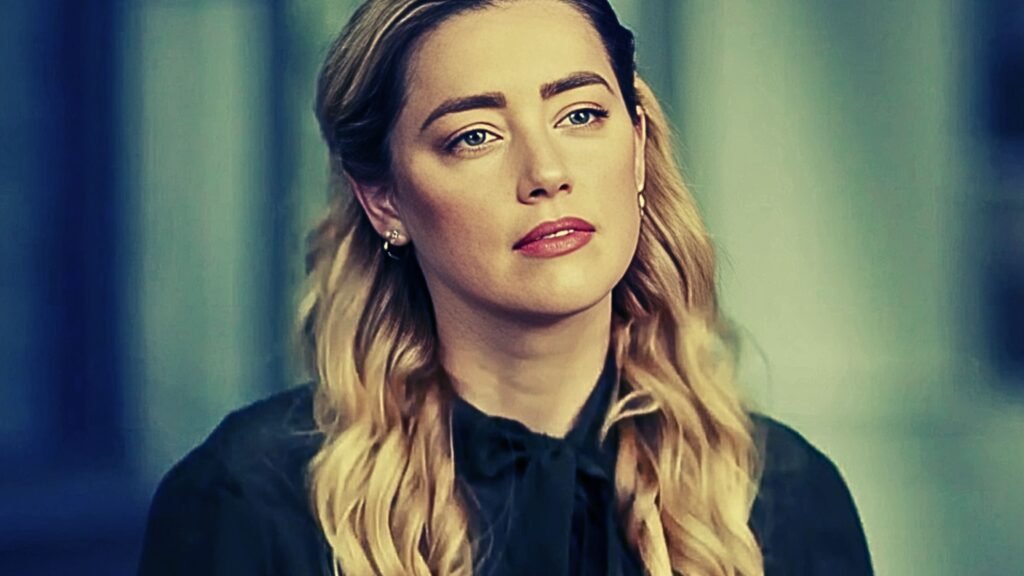
Table of Contents
Amber Heard Slams Defamation
What happens to a person when their own name becomes a punchline and a legal precedent? Amber Heard appeared on screen at the Sundance Film Festival not as a blockbuster lead, but as a ghost of her former public self.
In the new documentary Silenced, directed by Selina Miles, Heard offers a confession that is as quiet as it is devastating: she is done talking.
The Exhaustion of the “Story”
For years, the world consumed every detail of Heard’s marriage and subsequent legal battles. Now, she claims the process has effectively stripped her of her autonomy.
“I don’t want to use my voice anymore,” she admits in a raw confessional. This isn’t a lack of things to say; it is the systemic exhaustion of a woman whose narrative was bought, sold, and shredded by the public.
Her participation in the film focuses on how defamation lawsuits are increasingly used as tools to quiet dissent. Heard sees herself as an “amplified version” of a common experience.
The goal of these suits isn’t always to find the truth, but to make the cost of speaking so high that no one else dares to try.
The Legal Spectacle
The film brings back the haunting imagery of the 2018 UK libel case involving The Sun.
Human rights lawyer Jennifer Robinson recalls the gauntlet Heard had to run—jeering crowds, physical threats, and a digital firestorm.
- The Participation Trap: Heard felt her life depended on the trial’s outcome, yet the trial itself became the very thing that destroyed her public standing.
- The Miscalculated Risk: She originally believed that if people saw the vitriol she faced, it would prove her point. Instead, the hate only grew.
- The Global Warning: Her case now serves as a cautionary tale for any woman considering a public platform for her grievances.
The Weaponization of the Courtroom
We often view defamation trials as a search for facts. However, Silenced explores them as a form of reputation warfare.
By framing Heard’s experience within the context of accused men using the law to pivot from “defendant” to “plaintiff,” the documentary shows how the legal system can be manipulated to punish the person who spoke first.
The Truth Won’t Always Set You Free
In the age of social media, we are told that “speaking your truth” is the ultimate power. The reality revealed in Heard’s current stance suggests otherwise.
- Advice: Don’t assume transparency is armor. In high-stakes litigation, every detail of your life is a weapon that can be turned against you.
- The Power of Silence: Sometimes, the most radical thing a silenced person can do is refuse to perform their trauma for an audience that has already made up its mind.
- Focus on Systems, Not People: Heard’s shift from her personal “story” to the broader mechanics of the law is a survival tactic. Personal narratives are easy to attack; systemic critiques are harder to dismiss.
A Voice Voluntarily Lost
The most chilling takeaway from Heard’s appearance is her lack of desire to reclaim her platform. She isn’t asking for a comeback.
She is highlighting a problem that most are too afraid to face: the world may have won. By losing her “ability to speak,” she has become the ultimate evidence of the documentary’s title.

Breaking celebrity news and hot gossip. We deliver the juiciest stories and trending star updates fast.