
Daniel Curtis Lee rallied to help Taylor Chase find housing and treatment during December 2025.
What happens when the kid who played the smartest guy in the room ends up with nowhere to go?
For fans of the mid-2000s Nickelodeon classic Ned’s Declassified School Survival Guide, the recent footage of Tylor Chase (Martin Qwerly) was a gut punch. It wasn’t a scripted bit or a nostalgic reunion.
It was a viral video of a man experiencing homelessness in California.
But while the internet watched and whispered, his former costar Daniel Curtis Lee—known to millions as “Cookie”—actually showed up.
More Than Just a Pizza Run
In late December 2025, Daniel Curtis Lee didn’t just post a supportive emoji. He got in his car.
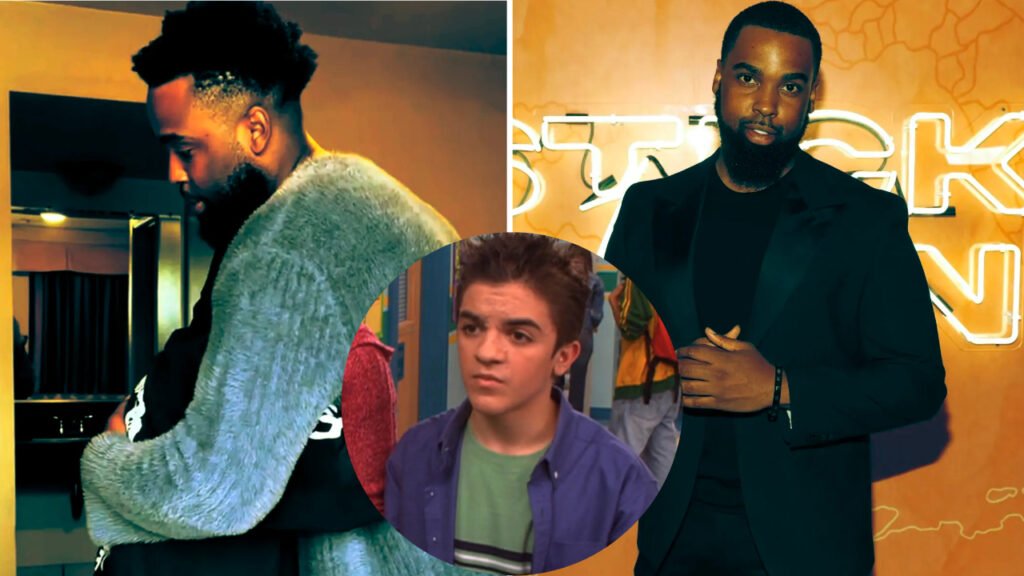
He found Chase, sat him down for a meal at a pizza shop, and checked him into a hotel to escape the rain in California.
The updates Lee shared on Instagram weren’t polished PR moves.
They were raw. He spoke about the difficulty of maintaining a connection when a friend “has a phone one day and then maybe not the next.”
It’s a stark reminder that the “survival guide” for adulthood doesn’t always have a chapter on how to help a brother through a mental health or housing crisis.
Key Takeaways from the Intervention:
- Immediate Safety: Lee prioritized basic dignity—a bed, heat, and food—over a quick fix.
- Emotional Anchoring: The hug shared in that hotel room wasn’t for the cameras. It was a lifeline.
- Community Coalition: This isn’t just a one-man job; the “Ned’s” cast and crew are coordinating behind the scenes.
The Mentor in the Trenches
Perhaps the most unique part of this story is the involvement of Shaun Weiss. You might know him as Goldberg from The Mighty Ducks.
Weiss has lived this exact story. He’s been through the cycle of addiction, homelessness, and very public rock bottoms.
Weiss and his team spent the week trying to get Chase into a hospital. It didn’t go perfectly. On the night of December 22, Chase backed out at the last second. He couldn’t get in the car.
Most people would see that as a failure, but for those in recovery, it’s just Tuesday. Having Weiss involved means Chase has a mentor who understands the terror of that “hospital door” moment.
Why “Backing Out” Isn’t the End
Most articles focus on the tragedy, but they overlook the psychological exhaustion that comes with being helped.
When you are living on the street, your brain stays in “survival mode.” Transitioning to a sterile hospital or a strict facility feels like losing the only control you have left.
Lee’s approach of staying local and providing “basic accommodations” first is a tactical move.
It builds trust. You can’t ask someone to fix their entire life when they are still shivering from the rain.
The Trap of Virtual Sympathy
When a celebrity falls, the public reaction is usually a mix of “thoughts and prayers” and a rush to donate. Here is what people get wrong:
- Don’t Crowdfund Chaos: Lee is working to set up a legal “trust.” Sending money directly to someone in a crisis often fuels the very cycle you’re trying to break.
- Stop the “Viral” Recording: While the TikTok video got Lee’s attention, filming someone in a mental health crisis stripped Chase of his dignity. Support should be private; the results can be public.
- Patience Over Speed: Recovery isn’t a 22-minute episode. It’s a slow, messy process where “backing out” is part of the journey.
The Win Is the Work
As of right now, Tylor Chase is safe. He’s spoken to his father. He’s had a meal with a friend who still calls him “brother.”
The Ned’s Declassified community—including Devon Werkheiser and Lindsey Shaw—is proving that the bond formed on a soundstage in 2004 is stronger than the pressures of 2025.
Lee said it best: “All we got to do is stay with it.” They aren’t looking for a miracle. They are looking for progress.

Breaking celebrity news and hot gossip. We deliver the juiciest stories and trending star updates fast.