
Emerald Fennell reveals why her “nervous breakdown” Zatanna script was too dark for DC.
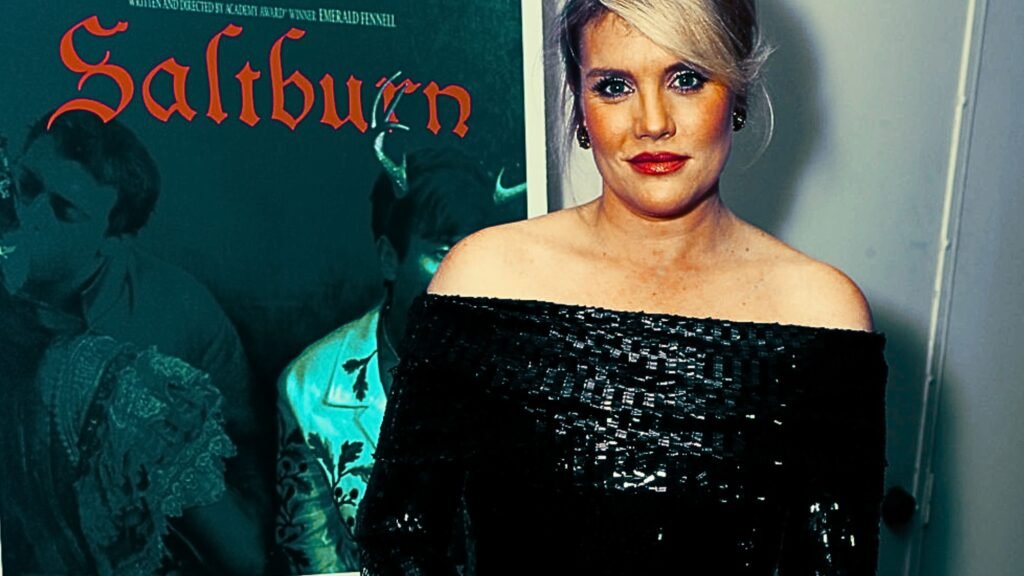
Table of Contents
Emerald Fennell’s Demented Zatanna
What do you do when a major studio hands you the keys to a legendary superhero, but your only emotional point of entry is a literal nervous breakdown? For Emerald Fennell, the answer was to write a script so “demented” that she still can’t bring herself to read it three years later.
Fresh off the jagged, neon-soaked success of Promising Young Woman, Fennell was tapped by JJ Abrams to pen a solo film for Zatanna, the DC Universe’s premier sorceress.
It seemed like a match made in cinematic heaven: a mistress of magic met by a master of subverting expectations. But as Fennell recently shared on the Happy Sad Confused podcast, the reality was far more turbulent.
A Heroine at the Edge
Fennell didn’t see Zatanna as a cape-wearing icon ready to join the Justice League. Instead, she saw a reflection of her own internal chaos.
“I was probably going through it at the time,” Fennell admitted, describing her take as a script reflective of a woman in the middle of a mental collapse.
In a world of “save the city” stakes and CGI battles, Fennell was trying to find an emotional pulse. Her version wasn’t just dark; it was “too far away from the genre.”
While audiences expect magic tricks and heroic triumphs, Fennell was busy writing scenes that she now looks back on with a mix of awe and disbelief, realizing that, in her own words, “nobody would have made that.”
The Fear of the “Demented” Vision
The shelving of Zatanna isn’t just a story of “creative differences.” It’s a case study in the limitations of the modern blockbuster.
The superhero genre operates on a specific frequency—it requires a certain level of aspirational heroism to satisfy global markets and merchandising.
When Fennell attempted to strip away the “super” and focus entirely on the “human breakdown,” she hit the invisible wall of the Hollywood machine.
The industry is designed to handle grit, but it is often terrified of dementia. A protagonist who is truly falling apart doesn’t fit into a multi-film roadmap or a shared universe with Superman and Aquaman.
Fennell’s script wasn’t a failure of talent; it was a clash of scales. She was writing a visceral, intimate tragedy while the studio was looking for a franchise cornerstone.
The Weight of “Delivering”
One of the most human elements of Fennell’s reflection is the guilt she still carries.
She spoke warmly of JJ Abrams, noting that he took a massive chance on her. “I always felt like I hadn’t quite maybe delivered the thing that they wanted,” she confessed.
It is a rare moment of vulnerability for an A-List director. Usually, we hear about “artistic integrity” and “fighting the system.”
We rarely hear about the filmmaker who feels bad that they couldn’t just “play the game” for the people who believed in them. This disappointment is why the script remains unread in a drawer—a ghost of a version of herself that she isn’t quite ready to face yet.
Advice for the Creative Pivot
Fennell’s “failed” superhero debut offers a vital lesson for anyone trying to bridge the gap between art and commerce:
- Don’t apologize for being “Too Much”: The very thing that made Fennell’s Zatanna un-makeable is what makes her Wuthering Heights adaptation one of the most anticipated projects in Hollywood. Your “too much” is your brand.
- Disappointment is a growth metric: Feeling like you failed to deliver “what they wanted” usually means you delivered something they weren’t brave enough to handle.
- The genre is the cage, not the guide: If you have to break the genre to connect to the character, the genre might be the problem, not your vision.
The Ghost in the Machine
Ultimately, the DCEU’s loss is the independent cinema’s gain. While we may never see Serinda Swan or a new lead donning the top hat in Fennell’s “demented” world, the legend of the script lives on.
Emerald Fennell is now hoping that, with time, she might be “more generous” toward her past self and finally read those pages again.
But for now, the Zatanna that could have been remains a fascinating “what if”—a reminder that sometimes the most powerful magic a filmmaker can perform is staying true to their own breakdown, even if it costs them the blockbuster.

Breaking celebrity news and hot gossip. We deliver the juiciest stories and trending star updates fast.