
Actor Leonardo DiCaprio shares concerns over streaming dominance and AI’s “fleeting” brilliance.
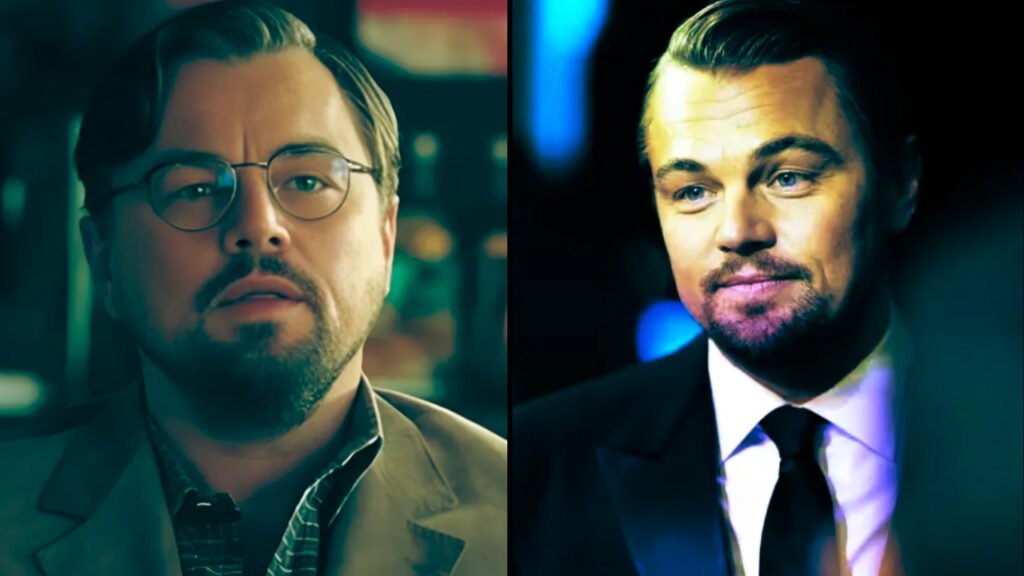
Leonardo DiCaprio shares concerns
What happens to a masterpiece when it is reduced to a thumbnail on a scrolling feed?
Leonardo DiCaprio isn’t just worried about ticket sales; he is worried about the evaporation of cultural permanence.
In a candid assessment of the current entertainment climate, the Academy Award winner noted that the transition to streaming has happened so quickly that we’ve already lost significant ground.
Documentaries have almost entirely retreated from theaters, and mid-budget dramas are now granted only “finite time” before being relegated to the digital cloud.
The “Ether” of Artificial Intelligence
DiCaprio’s most poignant observation, however, involves the rise of Artificial Intelligence.
He acknowledges that AI could be an “enhancement tool” for a new generation of filmmakers, but he draws a hard line between technical brilliance and authentic art.
To illustrate this, he points to the viral phenomenon of AI music mashups—like hearing Michael Jackson’s voice on a Weeknd track.
While these creations are “absolutely brilliant,” DiCaprio argues they lack an anchor. They provide a brief dopamine hit of novelty before they “dissipate into the ether of other internet junk.”
Without the human struggle, the context, and the shared experience of a theater, art becomes disposable.
The Mechanics of “Human Anchoring”
When DiCaprio speaks about “anchoring,” he is referring to the weight of human intent.
- The Shared Social Contract: When you watch a film in a theater, you are entering a social contract to pay attention. This physical commitment “anchors” the film in your memory. Streamers, by contrast, offer a fragmented experience prone to distraction.
- The Endurance of Flaw: AI produces perfection based on existing patterns. Human art often survives because of its “brilliant flaws”—the specific, unpredictable choices an actor or director makes that an algorithm would never calculate.
- The 15-Minute Cycle: In the AI era, content is produced at such volume that nothing has time to become a “classic.” True art requires the “visionary” opportunities DiCaprio hopes will continue to exist in cinemas.
The Trap of Convenience
We often blame AI for the “death of art,” but DiCaprio suggests the real culprit is our own lack of patience.
- Convenience is the Enemy of Legacy: “Waiting for it to hit Netflix” is a death sentence for the mid-sized drama. If we don’t support original voices in the theater, the only films left on the big screen will be franchise blockbusters.
- AI is a Mirror, Not a Maker: AI can mimic soul-singing voices like Al Green, but it cannot feel the heartbreak that created the voice. We must stop confusing “clever imitation” with “original thought.”
- The Finite Time Advantage: Paradoxically, the fact that a movie is only in a theater for a “finite time” is what makes it valuable. Scarcity creates importance. When a film is available everywhere, at all times, it risks becoming part of the “internet junk” DiCaprio warns about.
Protecting the Future
Ultimately, the future of the cinema depends on the “real visionaries” getting the chance to do “unique things.” But as DiCaprio warns, that remains to be seen.
The battle isn’t against the machine—it’s against the “ether” of a world that has forgotten how to sit in the dark and truly watch.
Summary of Key Points
- Industry Shift: Leonardo DiCaprio warns that the cinema industry is changing at “lightning speed” due to streaming.
- The AI Stance: He views AI as a potential tool for young creators but argues it lacks the “human anchor” necessary for true art.
- Fleeting Fame: The actor compares AI-generated mashups to “internet junk” that lacks long-term cultural significance.
- Call for Visionaries: DiCaprio emphasizes the need to provide theater space for original, human-driven voices to ensure the survival of the big-screen experience.

Breaking celebrity news and hot gossip. We deliver the juiciest stories and trending star updates fast.