
Actor Timothy Busfield faces four felony counts of sexual contact with a child.
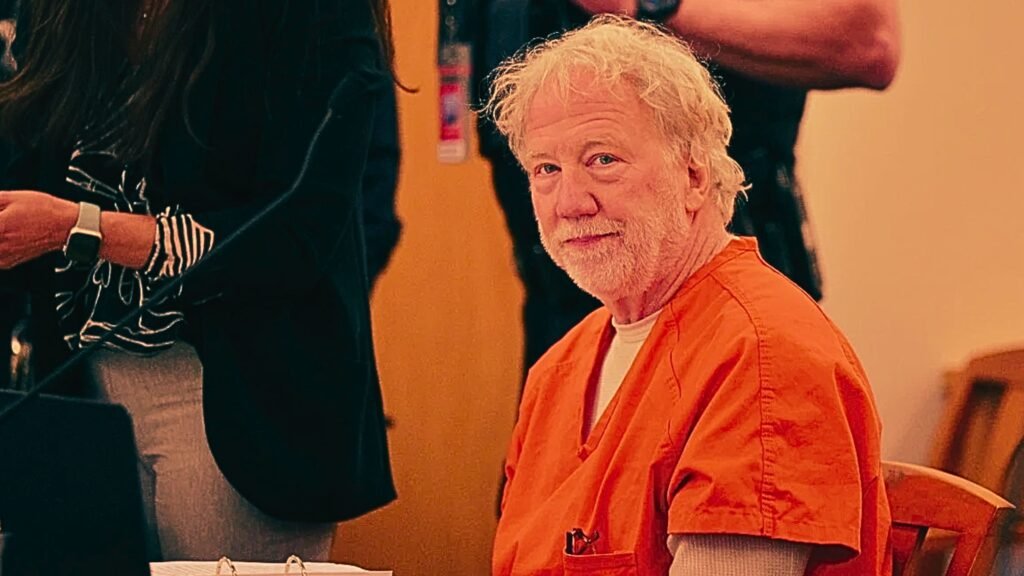
Table of Contents
Timothy Busfield Indicted
What happens to our collective memory when the man who played the moral compass of primetime television is suddenly handcuffed to a criminal indictment?
For decades, Timothy Busfield was the face of the relatable, intellectual “nice guy” in Thirtysomething and The West Wing. But today, that image is colliding with a chilling reality in a New Mexico courtroom.
The Weight of the Allegations
Timothy Busfield has been indicted on four counts of criminal sexual contact with a child. These are not minor infractions; they are third-degree felonies that carry significant prison time.
According to court documents, the alleged incidents occurred in July 2011. The grand jury in Santa Fe County reviewed the evidence and determined there was enough merit to move forward with a formal prosecution.
The specifics are harrowing. The indictment suggests the victim was under the age of 13 at the time of the alleged contact.
This creates a massive legal hurdle for the defense, as New Mexico laws regarding crimes against children are notoriously stringent.
When the “Everyman” Fails
Most reports focus purely on the docket numbers and the dates. What they miss is the psychological impact on an audience that grew up with Busfield.
We didn’t just watch him; we trusted him. He was the “Field of Dreams” actor who reminded us of our fathers or our favorite teachers.
This is the parasocial betrayal. When a celebrity who specializes in “wholesome” or “intellectual” roles faces such dark accusations, the public reaction is often one of extreme cognitive dissonance.
We struggle to reconcile the Danny Concannon we loved on The West Wing with the man named in these four counts. This emotional connection often clouds our ability to view the legal process objectively, leading to either blind defense or immediate, unverified condemnation.
What People Get Wrong
In the wake of such news, the internet usually splits into two camps. Here is what both sides often misunderstand:
- The “Why Now?” Fallacy: People often assume that because the alleged events happened in 2011, the delay in reporting makes the claim suspicious. This is incorrect. Trauma experts consistently note that victims of childhood abuse often take decades to process, speak, or seek legal recourse. Time does not diminish the validity of a claim.
- Due Process is Not a Defense of Character: Advocacy for a fair trial is a pillar of the legal system, but it should not be used to silence victims. Acknowledge the legal presumption of innocence while simultaneously respecting the gravity of the accusations.
- Separating Art from Artist is a Choice, Not a Rule: You aren’t “wrong” if you can no longer watch his films. Emotional responses to art are predicated on the viewer’s comfort, and a criminal indictment of this nature fundamentally alters that comfort.
The Road Ahead
Busfield’s legal team will undoubtedly challenge the evidence, and the discovery phase will be grueling.
In New Mexico, the prosecution must prove “intentional touching” of a sexual nature. The path to a verdict is long, filled with depositions and pre-trial motions that will likely span many months.
Key Takeaways:
- The indictment involves four counts of third-degree felony sexual contact.
- The alleged victim was a child under 13 at the time of the 2011 incident.
- Grand jury indictments signify that there is “probable cause” to go to trial, not a final verdict of guilt.
The Hollywood “Dad” figure has been replaced by a defendant. As the legal system grinds forward, the focus remains on the pursuit of truth and the protection of the most vulnerable among us.

Breaking celebrity news and hot gossip. We deliver the juiciest stories and trending star updates fast.