
Maggie Gyllenhaal shares why capturing the full spectrum of female emotion on screen matters.
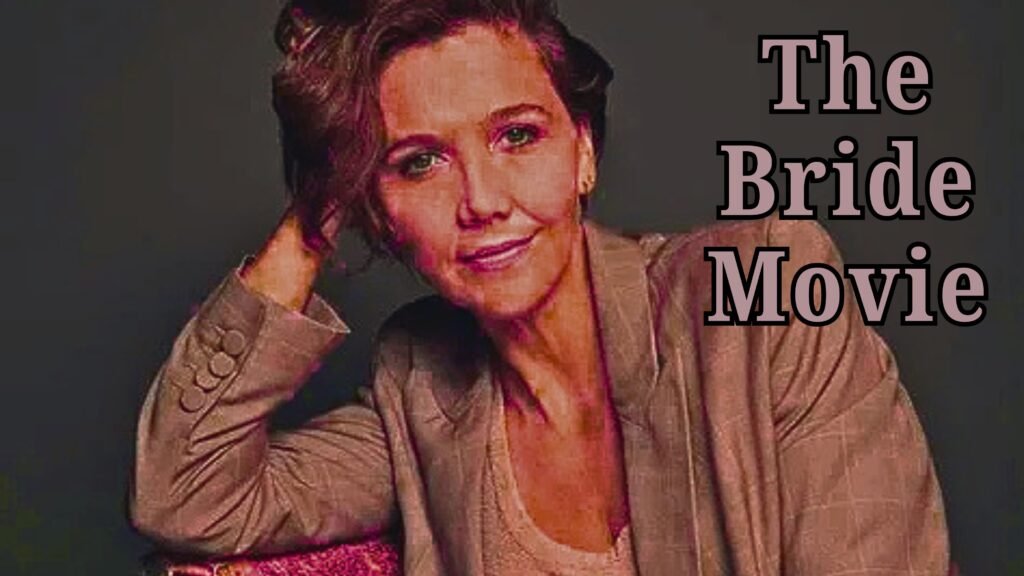
Table of Contents
The Hollywood Trope
Hollywood has given us the “strong female protagonist” – a woman who does not cry, who does not act “feminine”, who does not show any weakness that the enemy can use against her.
Unfortunately, the image has become outdated, as both the film industry and society have moved on. Audiences want to see more realistic media, and filmmakers are responding to this demand.
The Hollywood Industry Is Evolving
Actress and director Maggie Gyllenhaal spoke at the Karlovy Vary Film Festival about her upcoming film The Bride! She admitted to mixed feelings about the “strong female protagonist”, saying that she wants to see more nuanced depictions of women on screen.
In particular, Gyllenhaal would like to see women depicted as multifaceted, as the full spectrum of female experience, rather than the idealized Hollywood heroine.
Beautiful Weakness
Beautiful weakness is relatable, as all people have weaknesses that can be exploited. The audience wants to see realistic movies, so depicting only perfect women who do not know fear or pain will not get good marks.
Weaknesses, failures, and fears are part of the full spectrum of human emotions, and only by showing this spectrum can you create a realistic character.
Male Gaze
A big part of the problem is the lack of female directors. After all, the head of the movie business has traditionally been male, and there may be a certain bias in the way women are depicted. Of course, many men have been able to create great films in which women are portrayed excellently.
However, there is still a difference between a man’s vision and a woman’s vision, since everyone sees the world around them.
Unspoken Shame
It is almost impossible for someone to understand everything from the point of view of others if they do not belong to this group themselves. This statement especially applies to understanding the female psyche, since women often have a lot of shame and hidden desires.
This inner world is not always obvious, even to women themselves, which is why it is even more difficult for men to understand it. The director notes that the unspoken shame often hides deep-seated trauma tied to the female body.
Unveiling New Truths
Interestingly, Gyllenhaal says that she did not intend to expose society. On the contrary, she decided to look into the unexplored corners of the feminine psyche in order to understand what exactly goes on in the female brain.
She says she expected criticism for wanting to depict very banal, ordinary things on screen that are generally not discussed.
After all, the entire female experience, with all its complexities and nuances, has been largely unexplored in film until recently because few women had the opportunity to work in film as directors.
Why Becoming a Director
Gyllenhaal’s desire to create her films stems from this urge to capture the full spectrum of female experience. She has acted in many films, but she felt that directors did not want to understand her.
Speaking about her experience as an actress, Gyllenhaal says that most directors did not want to work with her personality, but only with the image they wanted to see on screen.
In order not to spoil the actors’ careers, actresses had to hide their personalities behind the image that was presented to the audience. This burden was too great for Gyllenhaal, and she decided to move into directing.
Finding Her Own Space
She decided to become a director so that no one could interfere with her creative process. Working with actors was complicated by the fact that each of them has their own desires and visions, which must be taken into account when creating a picture.
The director had to be attentive to everything that was being given to her, and in the end, it physically damaged her. Gyllenhaal has had enough of hiding her desires and caring about others’ opinions, so she decided to move into producing and writing films herself.
Supporting Her Colleagues
In her projects, the director continues to work with people whose work she appreciates, giving them the freedom to realize themselves within the framework of her work. By way of example, Gyllenhaal talks about working with Jessie Buckley, who came to the role of The Bride with her own considerable experience.
This way, Maggie creates safe spaces for her colleagues so that they can portray what they want through their art. Women filmmakers are paving the way for a new future in cinema.

Breaking celebrity news and hot gossip. We deliver the juiciest stories and trending star updates fast.